Jamie's Reserves Diary - March 16th to 20th

Jamie's Reserves Diary - March 16th to 20th

Photo by Jamie Proud

A weekly roundup of being a Bedfordshire Reserves Officer, with volunteer tasks and why we do what we do.

Hiya!

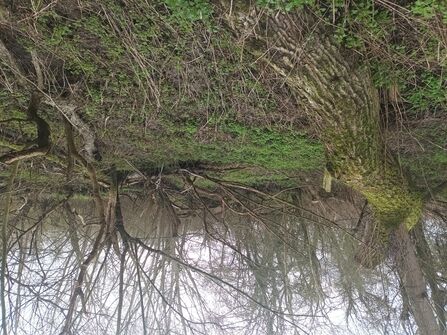
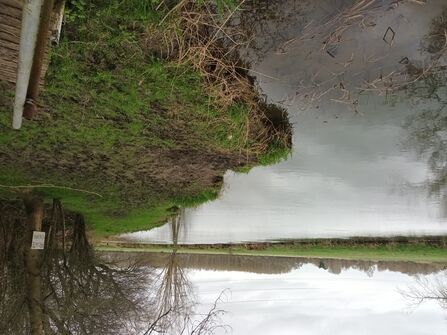
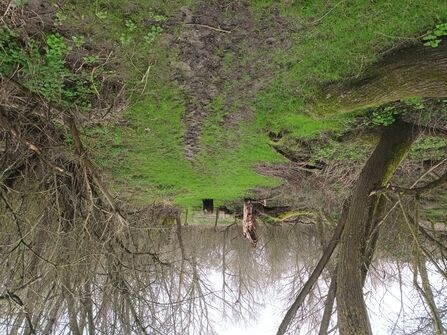
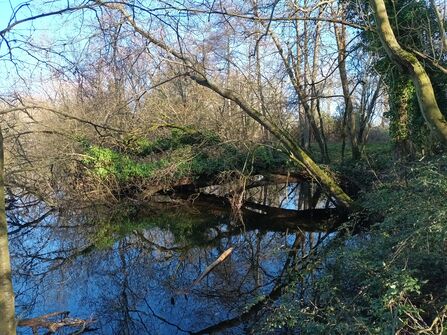
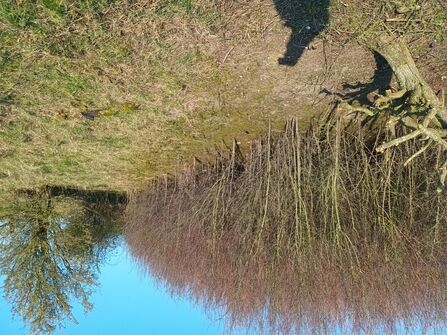
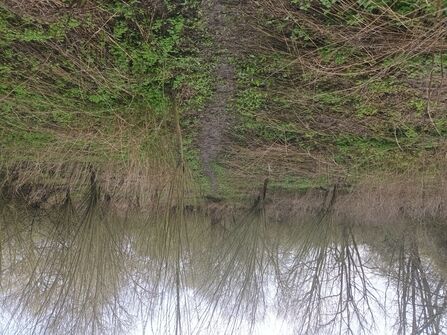
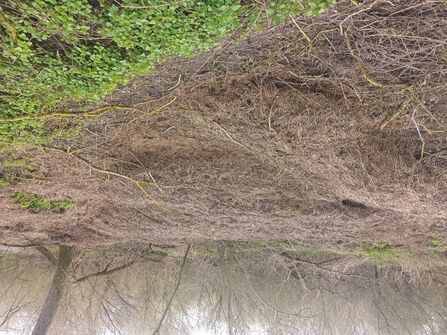
On Monday I had the opportunity to do some site checks.  There are various Wildlife Trust reserves in Bedfordshire that I’ve never been to before, so I was able to have my first visit to a few while checking on the conditions of the sites. Site checks generally involve looking for signs of damage to the site, looking for fallen trees and hanging branches, checking on path and fence conditions, etc.  I started at Pavenham Osier Beds in north Bedfordshire.  The site is a riverside wet woodland where Osier, a type of willow, was grown and coppiced for basket making, fish traps, etc. Generally, the products are no longer in use, but osier coppice woodland is rare in the county, so the Wildlife Trust continues to manage it as coppice woodland.  Every few years the branches of the coppice are cut back, stimulating new growth.  The dense clusters of branches that grow are perfect spots for nesting birds.  The site floods when the river is high, as can be evidenced by the vast quantities of broken reeds washed up in the woodland.  There is only a short section of the site that is accessible, but it has proven popular with the local people.  I only had one branch overhanging a path to deal with and then headed over to Wymington Meadow.

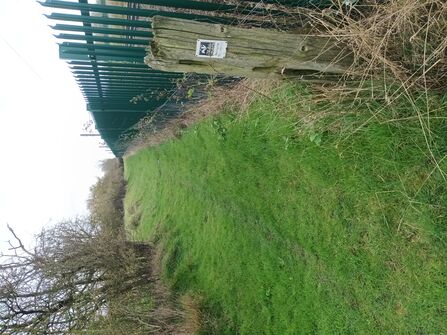
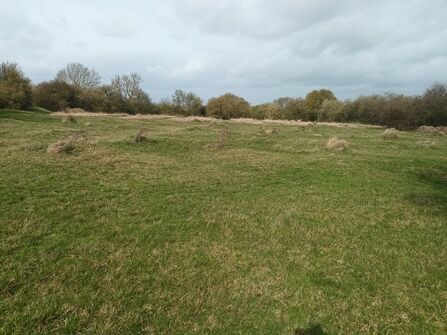
Wymington Meadow is a grassland site between two rail lines.  It’s accessible from public footpaths but is a bit of a walk to get there.  Like Pavenham Osier Beds, I’ve never been here before.  The grassland is managed for wildflowers with a hay cut each year.  Some sections are left uncut for variation and as places for insects to overwinter.  It’s quite a small site so it didn’t take long to explore.  Next, I headed to Begwary Brook.

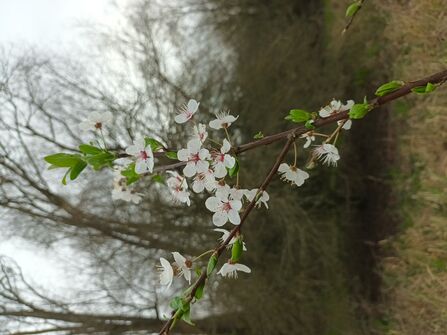
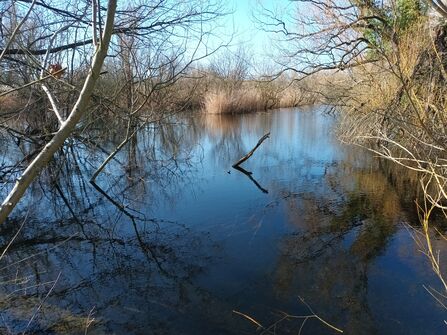
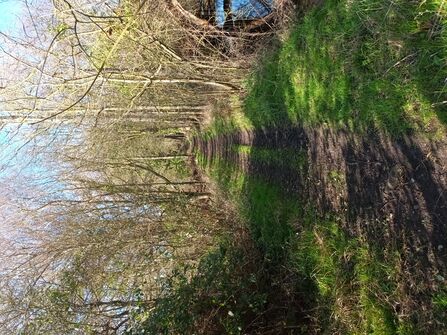
Begwary Brook is a riverside marshland by Wyboston Lakes. Gravel extraction from marshland in the 1960’s created a series or lakes and ponds and little of the former marsh now remains.  Access to Begwary Brook is down some long bumpy tracks that are mostly used by people coming to fish in the river (must be a member of the fishing club).  A variety of wetland wildlife can be found here, and I spotted a kingfisher as I walked round.  The Wildlife Trust doesn’t own the site, and our management is limited to maintaining the paths and controlling invasive Himalayan Balsam (the riverbank path is not part of the site).  It’s a very pretty site, and blackthorn was coming into flower. 

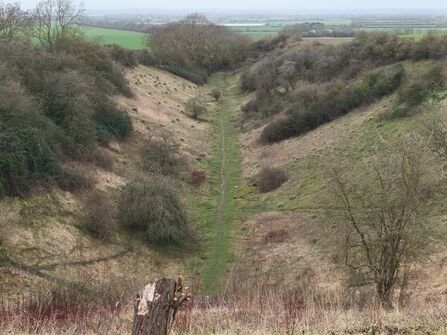
Last on my route was Old Warden Tunnel.  I have already done a few volunteer tasks here this year, so I am familiar with the reserve.  The site is the top of a disused rail tunnel and the cutting leading up to the tunnel. It’s comprised of woodland, grassland, and scrubland.  The tunnel is blocked off to protect the bats that roost there.  It is an offense to disturb roosting bats.  The view down the cutting is fantastic!  Parts of the site are grazed, so I walked the entire perimeter and ‘wobbled’ every fence post to see if it needed replacing.  Some were a little loose due to changes in the soil but only two perimeter posts need replacing.  There is a cross-fence in the middle of the reserve and five of those posts need replacing too.  We’ll be sorting them in April.  I checked the tunnel top woodland paths and found a few trees that had come down due to wind.   A few were small enough for me to clear with my little folding saw, but two will need a bigger saw.  They’re stable for now, though.  With that, I had just enough time left to head home and log my checks and findings in our records.
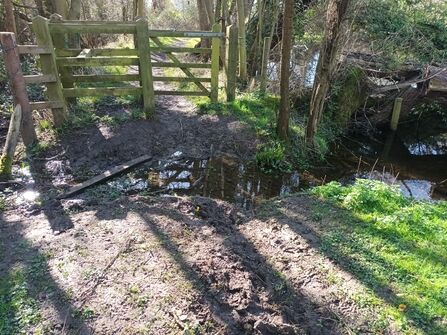
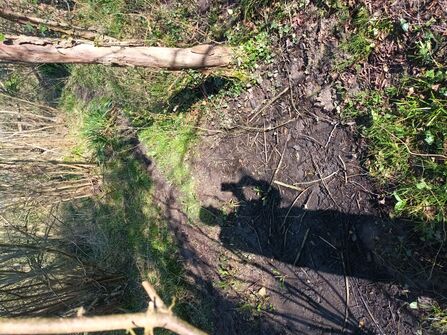
Most of Tuesday was spent on a training course on hiring and managing contractors.  The training the Wildlife Trust provides its staff is exceptional.  We pride ourselves on following proper processes and procedures and I am quickly learning what these are within the Trust.  Thankfully, the Trust is very understanding and caring and I’m being given plenty of support while I find my feet and learn what I need to.  I had a bit of time after the course to pop over to Felmersham Gravel Pits.  These former gravel pits are now a fantastic series of ponds and a haven for wetland wildlife.  The site is one of the best places in the county for dragonflies and damselflies.  I was mainly here because there’s a kissing gate at the back of the site which is getting flooded.  The nearby River Ouse often floods over the neighbouring fields and into the site, and the floods have washed a ditch through the footpath where the gate is.  I took some measurements so we can plan repairs that will allow the flood waters to continue, but without people having to get their feet wet.  I also checked out the task location for next week, to see what we’d be up to with R.O. Chantelle.

There were two meetings scheduled for Wednesday, so I started the morning by figuring out how to put my blog onto the website, which turned out to be pretty easy!  The first meeting was the quarterly Beds Trust meeting where we received updates from the various departments of the Bedfordshire arm of the Trust.  Education Team updates, Wider Countryside, Records, Reserves, etc.  Some interesting news and good things in the works! Afterwards was the monthly Reserves Team meeting, specifically to do with Reserves management and volunteer tasks. Here we were planning the April tasks and put together a plan for what is often the quietest month.  April is during bird breeding season, so most grassland, woodland, and scrub work is off the table.  It’s too early for invasive flora, so that’s out too.  Thankfully this gives us a window for the larger scale fence repairs that are always needed.  The perimeter of Old Warden Tunnel is 1.2km, for example, so with the number of sites in our care, and the number of fences within those sites, there’s over 100km of fence to keep maintained.  Thankfully only a fraction of that needs doing each year.

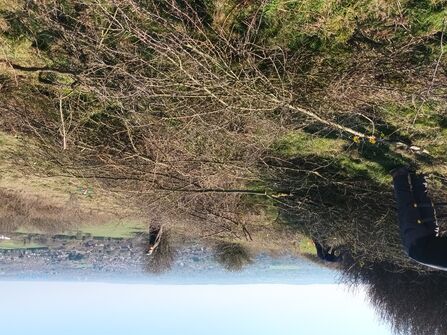
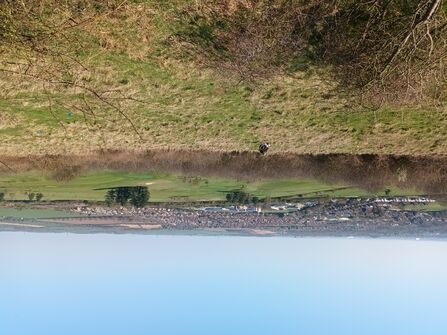
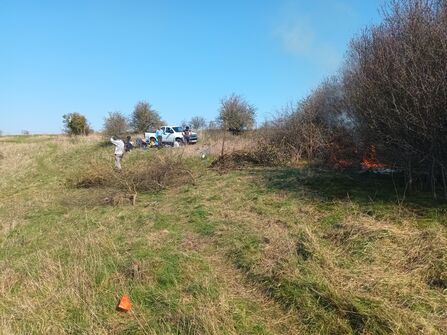
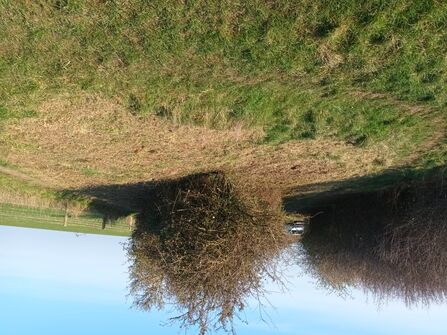
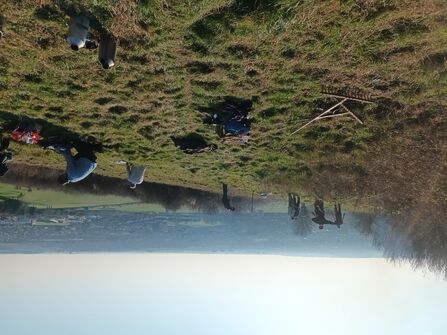
R.O. Matt was running a task at Galley and Warden Hills near Luton on Thursday, so I joined him for that. I took the opportunity to check out the water leak repair at Fancott Wood on my way there.  The flooded woodland is already drying out, so most of that water had come from the leak.  I got to the task a little late and made the laborious climb up to the top of the hill.  We manage this site under the direction of Luton Borough Council, the landowner.  Parts of the site have SSSI status for the chalk grasslands.  As with many chalk sites, encroaching scrub is always a problem. We try to clear scrub to keep from losing the rare and diverse chalk grassland, but scrub itself is a habitat used by many things so we try to find a balance between the two.  Pockets of scrub, the occasional individual tree, a dog rose here or there, all provide food sources and habitat diversity, so we try to manage these in the best interests of the landscapes and ecosystems as a whole. 

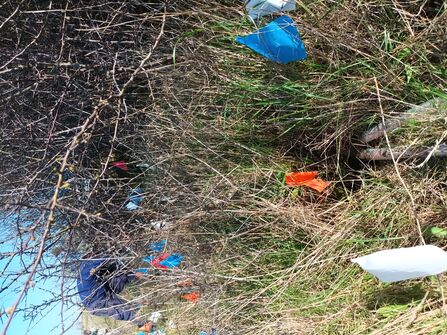
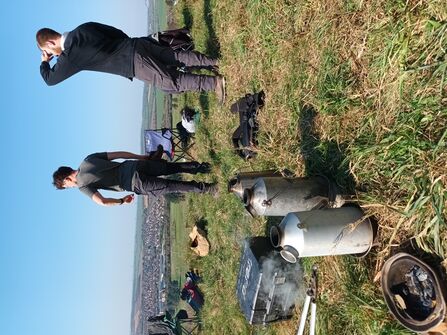
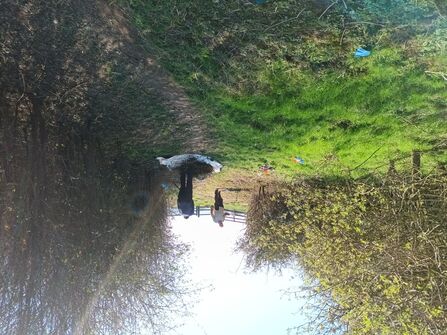
R.O. Matt is keeping the majority of a scrub copse that has formed as there was no grassland under it, but we pushed the edges back and cleared any small scrub popping up in the grass.  Due to it now being bird breeding season, staying out of the dense scrub and focusing on the smaller stuff stops the risk of disturbing nesting birds.  We marked the stumps with flags so they can be treated to prevent regrowth. Meanwhile, Volunteer Dave checked and brushcut bramble encroaching onto the footpath, to keep it clear for public access.  All the cut material needs to be moved to the fire site, which was situated in a hollow of the scrub patch to limit damage to the grassland.  The weather was glorious, but a bit hot by the fire, which Volunteer Officer Ed was managing.  Thursdays are smaller groups and there were nine of us out in total, but thanks to the volunteers we managed to accomplish a lot and Matt was happy with the results.

If you'd like to support our work, please consider becoming a Member.  If you'd like to join our merry volunteers, you can click here to apply.

As always, thank you to our volunteers for all their hard work.

Yours,

            Jamie