
Jamie's Reserves Diary - April 27th to May 1st

By Jamie Proud
Photo by Jamie Proud
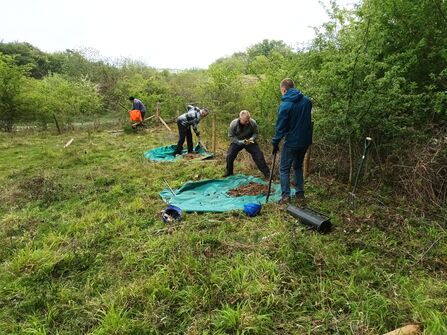
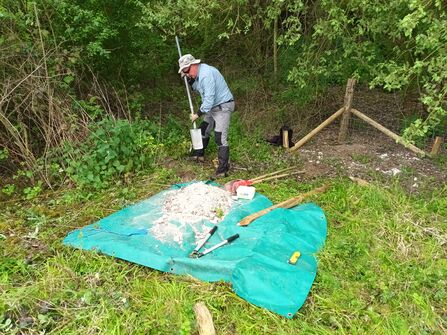
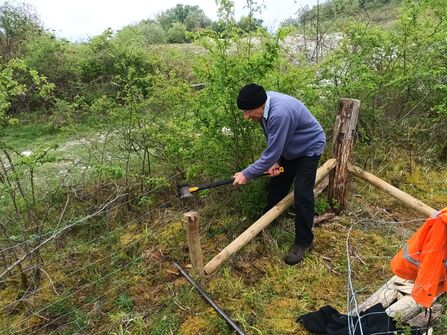
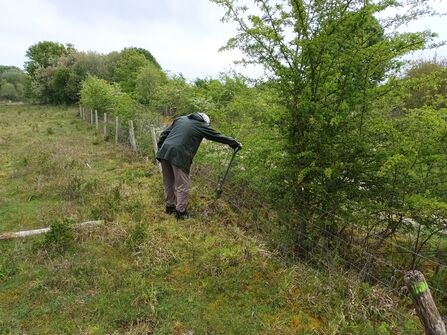
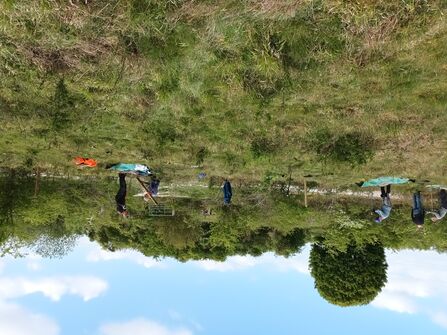
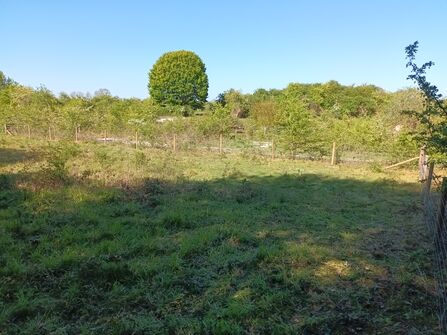
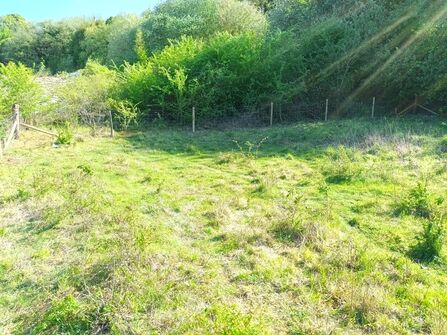
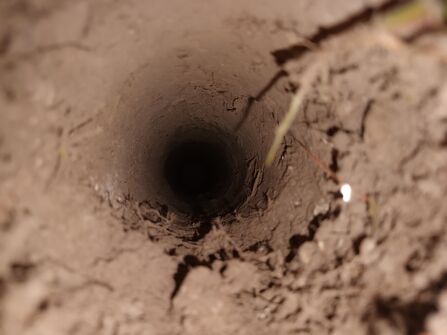
We had a second fencing task in Triangle Field at Totternhoe Quarry on Tuesday. The ground in this field is made up ground, meaning soil that was added back to the site after the quarry shut down. As such, the soil contains many things, such as bricks, bits of concrete, large stones, etc. It also varies in thickness quite considerably, with maybe six inches of soil in one spot and two feet of soil just a few metres away. With the soil so thin, the chalk so hard, and with the risk of bricks and concrete thrown in too, we dug every post in. At times we had to pull out large stones, or use an SDS hammer drill to break up concrete or chip away chalk to get the posts in. Volunteer Dave was very good at finding chunks of concrete!
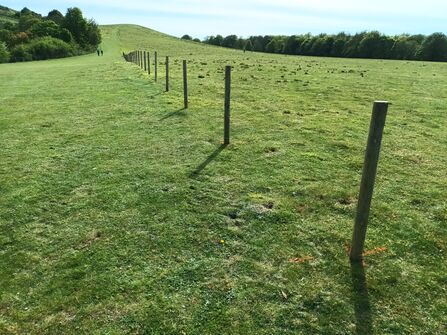
With only six volunteers that day, they did a cracking job of getting 13 posts in, which repaired two stretches of fence. We'll be back on May 24th to do another section, which isn't all the posts, but enough to be able to bring livestock in to graze the grassland.
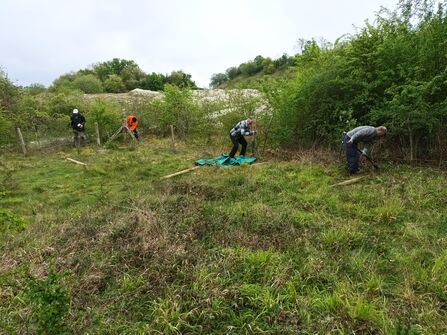
Photo by Jamie Proud
By Jamie Proud
By Jamie Proud
By Jamie Proud
By Jamie Proud
By Jamie Proud
By Jamie Proud
By Jamie Proud
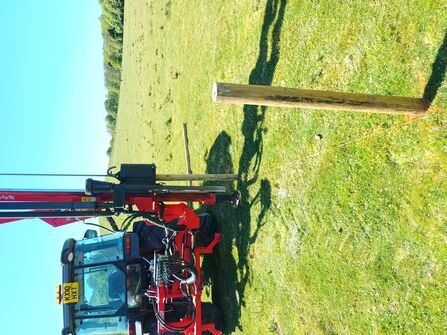
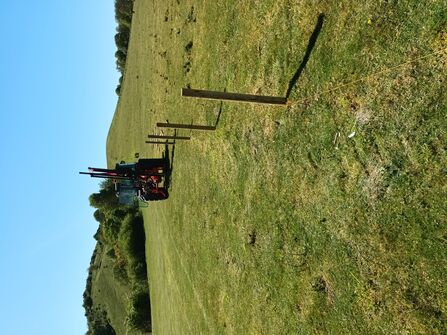
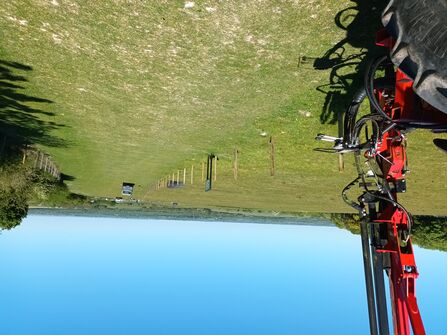
SRO Rich was running a fencing task over at Pegsdon Hills on Wednesday. While he and the volunteers replaced scattered failed posts and repaired odd sections of fence, I headed out with a tractor and tractor-mounted post knocker to knock in posts for a new fence that was replacing an old fence. Again, this site is on chalk and the ground is very hard, but not as hard as at Totternhoe. The tractor knocker has a piloting spike that can (usually) punch a hole into hard ground and soft rock, so the post can then be knocked into the hole without breaking. It's quite effective and much quicker than digging the posts in, but with a top speed of 23 mph it's quite an endeavour to get the tractor to sites further away, and it's unlikely it will get through the hard chalk at Totternhoe.
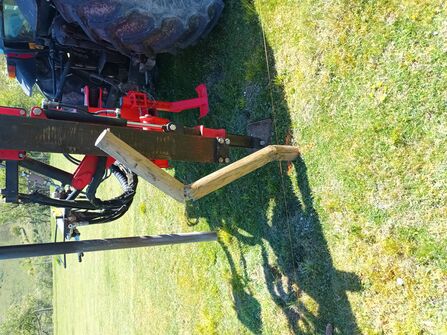
I was able to get 38 posts in that day, though there were some failures... As the posts are treated pine, they can have weak areas where the branches grew out in a ring. The spike hole is narrower than the post, so sometimes the post just won't go in all the way.
By Jamie Proud
By Jamie Proud
By Jamie Proud
By Jamie Proud
By Jamie Proud
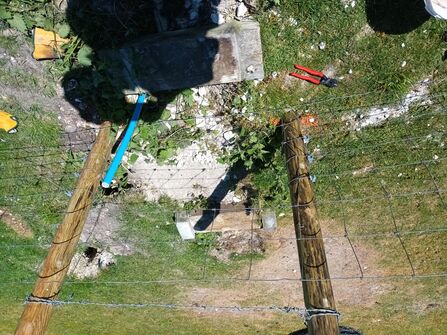
There was another fencing task at Pegsdon on Thursday. SRO Rich was busy untill break time, so I ran the task for the morning. Volunteers went out and removed old posts from another section of fence, ready to be replaced by the tractor in the near future, while I attached fencing wire to the section of posts I'd knocked in the day before. There will be a shared cattle trough through the fence, so livestock can use it from both sides. This is the first time I've had to put up a fence with a deliberate hole in it! The problem is that each horizontal wire of the stock net is tensioned, and with a hole that isn't going to work. The solution was to leave the bottom wire uncut, so it would run under the trough, and to put posts on either side of the trough to attach the cut wires to. The tops of those posts were then wired together so they weren't pulled over by the tensioned wires attached to them. This proved to be very effective and we were able to get the fence nice and tight. Once SRO Rich took over, I was back in the tractor to knock in another run of posts.
By Jamie Proud
By Jamie Proud
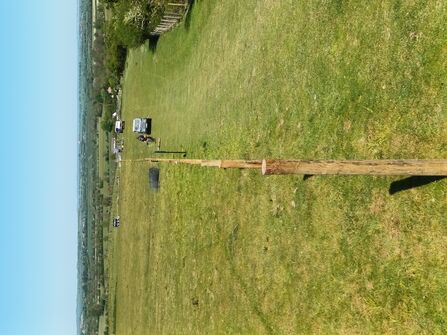
By Jamie Proud
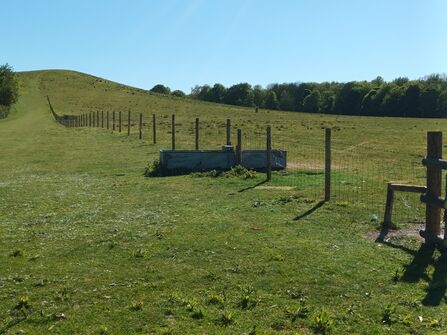
By Jamie Proud
Friday saw me working from home in the morning, before heading over to Felmersham Gravel Pits to help RO Matt. Felmersham Gravel Pits is in the process of having it's fences upgraded to metal posts, curtesy of grant funding, and the old wooden posts and gates have been pulled out by the contractors, so RO Matt and I were loading up any reusable gates and posts, #recycling. This site is one of the best places in the county for dragonflies and damselflies, and there were some freshly emerged damselflies fluttering around while we were there.
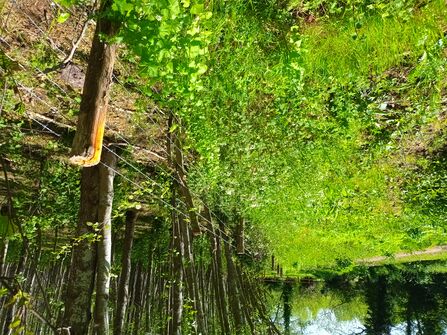
After we'd recovered what we could, I headed over to Flitwick Moor to mark up failed posts that we'd be replacing next week. A muntjac deer wasn't very bothered by me wandering through it's wood. After finding 69 posts to replace, I headed off to load up a supply of fence posts ready for Tuesday.
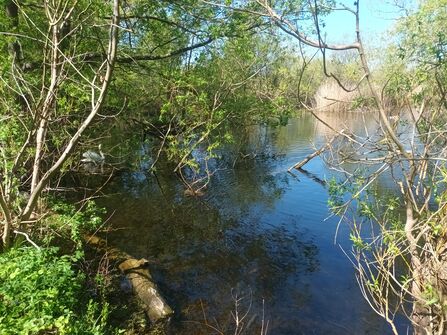
By Jamie Proud
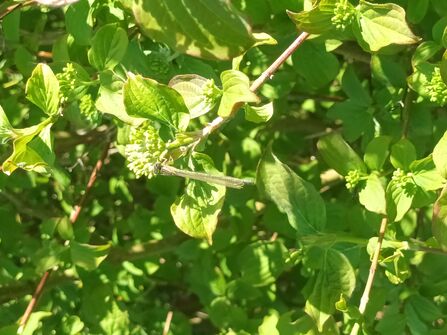
By Jamie Proud
By Jamie Proud
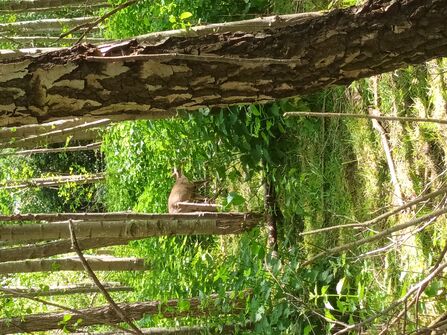
Photo by Jamie Proud
If you'd like to support our work, please consider becoming a Member. If you'd like to join our merry volunteers, you can click here to apply.
As always, thank you to our volunteers for all their hard work.
Yours,
Jamie