
Northamptonshire Reserves

Northamptonshire Reserves

Matt Johnson (Conservation Manager, Northants) gives an update on Northamptonshire reserves and wider countryside activities

Reserves

The Lings team bid a fond farewell to Ian Wilson who retired in March after 18 years with the Trust. We’ll certainly miss his experience and knowledge and thank him for all the work he has put into reserves such as Stortons Pits, Barnes Meadows and the Oundle Woodlands over the years. 

Elsewhere our two Volunteer Officers have led improvements to access and habitats at Stortons Pits and Collyweston this spring. And with the help of the amazing Old Sulehay volunteer group, a new woodland scallop has been created at Ring Haw wood and a butterfly bank in the calcining bank, which should benefit a range of insects in the coming years. 

An exciting new hide is in development at Pitsford Water Nature Reserve – a fully accessible hide, with great views of kingfishers, terns, herons and much more.  It is due for completion by Autumn this year. If you would like to hear seasonal updates of what has been happening at Pitsford, sign up to receive the Pitsford news here… E-news | Wildlife Trust for Beds Cambs & Northants

In the Nene Valley the Nene Wetlands is seeing the fruits of James and the work party's labour at Wader Flats. Combined with the reprofiling work around Dragonfly Lake, the area is becoming more and more appealing to winter wildfowl and summer waders - we don't have numbers but I'm sure this will be reflected in the WeBS and BBS counts. 

We've also completed the least amount of tree safety work for the season - not because we couldn't be bothered, but because the ongoing management and the big push with Ash is starting to pay off. The reserves have better structural diversity and are safer than before – a win win! Summer Leys is looking great following more tree work by Laurence and the gang - here's to a successful spring season on the scrape and perhaps more bird interest on compartment 3. Laurence and Lara's understanding of Titchmarsh continues to develop, with Lara doing an excellent job of leading the work party to repair some very tired fencing and gates. Is this the year for all 3 sites to see breeding Lapwing? Maybe!

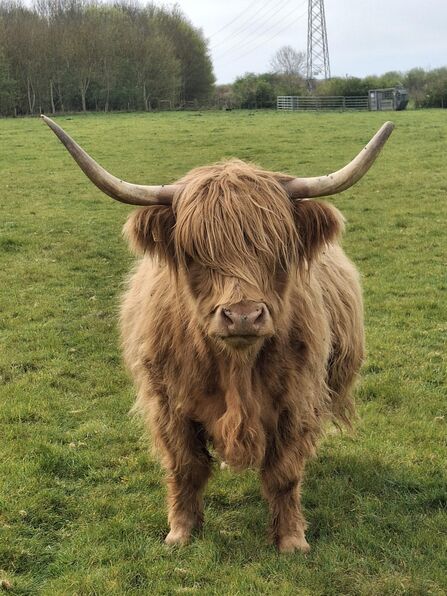
The warmer weather has brought with it the fresh spring grass the livestock have been eagerly awaiting and a chance for the livestock team to shed the five coats this winter has forced us live in.  After successfully passing a TB test our herd of highlands have been moved down from the calcareous grasslands of Old Sulehay to the wetland meadows along the Nene. 

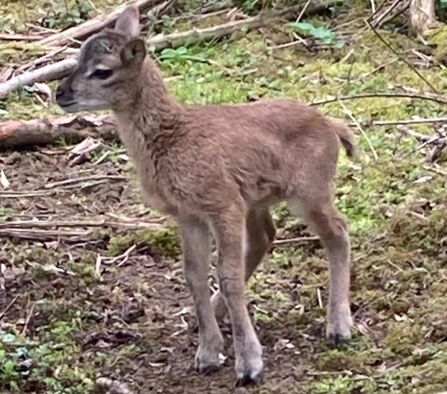
Here they will spend the next 6 months helping to create a dynamic habitat for both breeding waders and next year's wintering wildfowl. Spring also brings the arrival of new life. Following their suspicious disappearance for a few days our small flock of European mouflon have surprised us with the arrival of three healthy new lambs, growing our total number in the flock to ten. Not to be outdone seven of our highlands are expecting calves this year and are settled into their maternity field at Barford wood and meadows, with the first arrivals due any day.
Wider Countryside

The Wider Countryside Team’s main focus for surveys this summer will be floodplain meadows and grazing marsh across the Nene, Ise and Tove as part of our DEFRA funded Northants Floodplain Grasslands project which we are running in partnership with the Floodplain Meadows Partnership, River Restoration Centre and Nene Rivers Trust. For more info see below. 

Our churchyard conservation scheme has had 10 applications for 2026 – 4 of which are new entrants.  We’ve made a start with advisory site visits for this year and have several more planned over the coming months. The winter has been spent ensuring that all of the records for churchyards, local wildlife sites and protected road verges have been collated and sent off to the Northamptonshire Biodiversity Records Centre (NBRC) for inclusion on their database.

Among the planning application cases we have responded to over the last few months is a proposal for a recycling facility between our Summer Leys Nature Reserve and Wollaston.  The application was brought it our attention by visitors to the reserve, which was appreciated.  We have objected to the application for a few reasons including the disturbance of overwintering birds who visit the fields surrounding the site as well as Summer Leys, the potential for pollution of the Wollaston Brook which would link the facility to the Nature Reserve and lorries passing the entrance to the Summer Leys car park much for frequently.

Since the start of the year we have been finalising all our survey information from the 2025 Local Wildlife Site (LWS) surveys. Over the course of the season staff and volunteers visited 85 sites to undertake surveys covering a variety of habitats and representing 850 hectares of land. Following a meeting of the biodiversity partnership panel 11 new LWS were selected and 4 sites removed which no longer met LWS standard. Northamptonshire now has over 740 LWS covering over 12,000 hectares.

Floodplain Meadows

With the field season fast approaching the Northants Wider Countryside team, along with partners the Floodplain Meadows Partnership, the River Restoration Centre and The Nene Rivers Trust are ramping up work on our Water Restoration Fund (WRF) project in Northamptonshire. 

We have been awarded a grant from the WRF to produce a twenty-year strategy for restoration of river and floodplain habitats on the Rivers Nene, Ise and Tove. The three river valleys are nationally important for their remaining areas of species-rich floodplain meadows and floodplain grazing marsh, which supports substantial numbers of wading birds in the winter and spring. However, these areas of habitat are fragmented and in desperate need of reconnection and the three rivers have varyingly moderate, poor or failed ecological, morphological, and chemical status. 

The project takes an innovative, holistic approach to floodplain restoration, considering the river systems alongside species-rich floodplain meadows, floodplain grazing marsh and associated habitats. Our aim is to collect and collate a broad range of range of desk and field data to inform the strategy, determining the most appropriate locations for habitat restoration with an ambitious vision to of bringing 2,000 ha of floodplain grassland and associated river habitat into favourable management by 2045.

Northants floodplain meadows map

Over 2026 the team will:

  • Undertake an historical assessment of floodplain land-use and a desk study for other information across the three catchments to identify up to 2,000 ha of potential restoration sites.
  • Work with existing farmer networks to establish interest level, options and opportunities, secure permissions to undertake survey work, and share findings.
  • Undertake a river morphology and habitat assessment to identify opportunities for river restoration alongside floodplain habitat restoration to determine what and where would deliver the most benefits.
  • Survey up to 1,000 ha of floodplain land, collecting vegetation, soil, hydrology and management information.
  • Produce individual landowner reports containing information on restoration potential and funding sources.
  • Produce a 20-year strategy for river, meadow and grazing marsh restoration that will help guide landscape scale funding bids to enable delivery.

Since the project began in January we have been collating desk study information from a wide range of sources to help target our survey effort. This includes local knowledge of existing sites and restoration projects, information on existing designated sites, priority habitats, and environmental stewardship schemes alongside records of key plant and bird species.

We have also been busy contacting landowners to introduce the project and secure permission to carry out fieldwork and have so far lined up 800 ha for the team to visit over the spring and summer. 

The Floodplain Meadows Partnership’s soils team are due to start collecting data on soil chemistry, structure, and hydrology in the next few weeks, closely followed by the botanists and river restoration specialists. There’s lots to do, but we are excited by the powerful dataset we will build with this combination of environmental expertise and the positive outcomes it can drive for people and nature.