
Reserves
The Lings team bid a fond farewell to Ian Wilson who retired in March after 18 years with the Trust. We’ll certainly miss his experience and knowledge and thank him for all the work he has put into reserves such as Stortons Pits, Barnes Meadows and the Oundle Woodlands over the years.
Elsewhere our two Volunteer Officers have led improvements to access and habitats at Stortons Pits and Collyweston this spring. And with the help of the amazing Old Sulehay volunteer group, a new woodland scallop has been created at Ring Haw wood and a butterfly bank in the calcining bank, which should benefit a range of insects in the coming years.
An exciting new hide is in development at Pitsford Water Nature Reserve – a fully accessible hide, with great views of kingfishers, terns, herons and much more. It is due for completion by Autumn this year. If you would like to hear seasonal updates of what has been happening at Pitsford, sign up to receive the Pitsford news here… E-news | Wildlife Trust for Beds Cambs & Northants
In the Nene Valley the Nene Wetlands is seeing the fruits of James and the work party's labour at Wader Flats. Combined with the reprofiling work around Dragonfly Lake, the area is becoming more and more appealing to winter wildfowl and summer waders - we don't have numbers but I'm sure this will be reflected in the WeBS and BBS counts.
We've also completed the least amount of tree safety work for the season - not because we couldn't be bothered, but because the ongoing management and the big push with Ash is starting to pay off. The reserves have better structural diversity and are safer than before – a win win! Summer Leys is looking great following more tree work by Laurence and the gang - here's to a successful spring season on the scrape and perhaps more bird interest on compartment 3. Laurence and Lara's understanding of Titchmarsh continues to develop, with Lara doing an excellent job of leading the work party to repair some very tired fencing and gates. Is this the year for all 3 sites to see breeding Lapwing? Maybe!
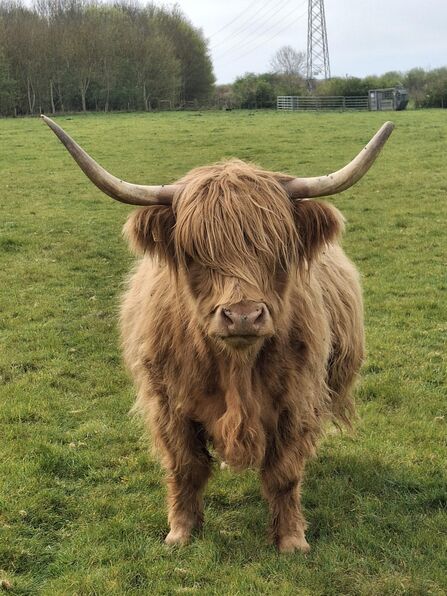
The warmer weather has brought with it the fresh spring grass the livestock have been eagerly awaiting and a chance for the livestock team to shed the five coats this winter has forced us live in. After successfully passing a TB test our herd of highlands have been moved down from the calcareous grasslands of Old Sulehay to the wetland meadows along the Nene.
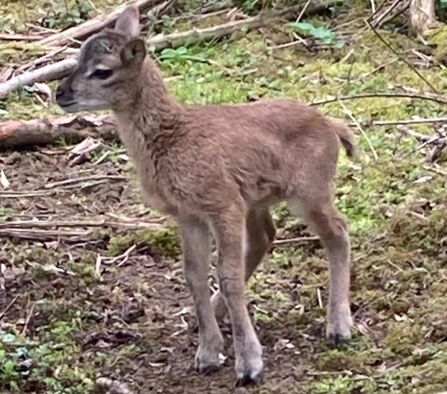
Here they will spend the next 6 months helping to create a dynamic habitat for both breeding waders and next year's wintering wildfowl. Spring also brings the arrival of new life. Following their suspicious disappearance for a few days our small flock of European mouflon have surprised us with the arrival of three healthy new lambs, growing our total number in the flock to ten. Not to be outdone seven of our highlands are expecting calves this year and are settled into their maternity field at Barford wood and meadows, with the first arrivals due any day.