Ecology Group surveys during 2025

Ecology Group surveys during 2025

Orchid survey

A big thank you to all our wonderful Ecology Group volunteers for another busy year of surveying!

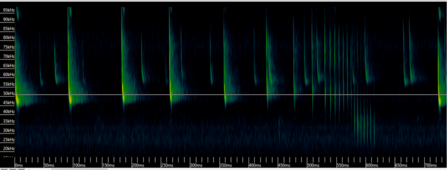
Whilst most of the fieldwork has now finished our dedicated team of office volunteers are busy beavering away entering data into spreadsheets, identifying bats from their sonograms and mapping out bird territories. 

As well as analysing this year’s bird survey data to estimate how many territories there were on each site, we are continuing to digitise historical data so we can see changes over time. Encouragingly, our reserves overall seem to have stable numbers of most species. Where species have decreased, this is reflected in national trends, so is likely due to factors outside our control. We are also continuing to share digitised maps with the reserves management teams which gives us a better understanding of how rotational management such as coppicing can shift the favourite territory locations of some species from year to year.

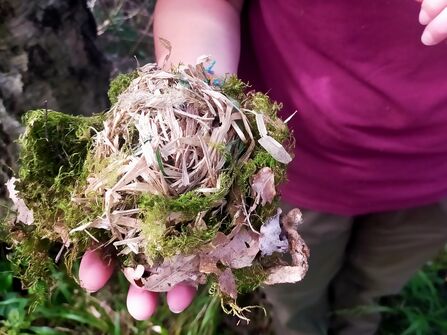
It’s been another disappointing year for our dormouse volunteers, with no dormice being found at any of the sites we survey and even fewer dormouse nests being seen in boxes at Brampton. Interestingly, we also found very few wood mice in the boxes, which leads us to think there’s something about the boxes that all the small mammals don’t like. To try to tackle this we’ve changed the material we’re making the boxes from, as well as introducing a new box design that is simpler for the carpenters to make. Fingers crossed the mammals like these new boxes better! We’re incredibly grateful to all the amazing volunteers who come along regularly to help with these checks, neither torrential rain nor exhausting heat has put you off!

Another massive thank you to the team of dormouse footprint checkers working up in the Rockingham Forest area to try to find new populations of dormice. Whilst we haven’t found evidence of any new populations yet there are still many woodlands we know nothing about, so even our negatives help fill in the picture of where they are. These populations are along the edge of their current native range in the UK (with the exception of reintroduced populations) making it important to know more about where they are.

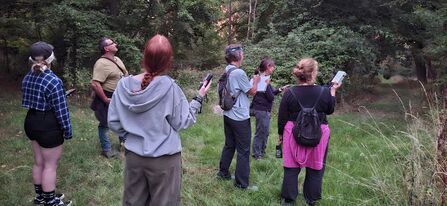
We’ve added a couple of new sites to the bat surveys this year – Titchmarsh wetland in Northamptonshire and Fancott Woods and Meadows in south Bedfordshire. Sadly, we didn’t manage to get the Brampton Wood surveys done this year, but the transects at Pitsford Water and Strawberry Hill took place as usual. We had static bat detectors out at Fancott to find out what was happening when we weren’t there, and in the beaver enclosure at the Nene Wetlands as part of our monitoring of their impact. Bat boxes at Pitsford, Nene Wetlands and Sharnbrook were also checked with the help of volunteers. Thank you to all the volunteers who gave up their evenings to help with the surveys and to the office volunteers for going through the huge list of sonograms recorded! We’re still looking for volunteers to lead on bat surveys at some sites so if this is something you’d be interested in do get in touch…. 

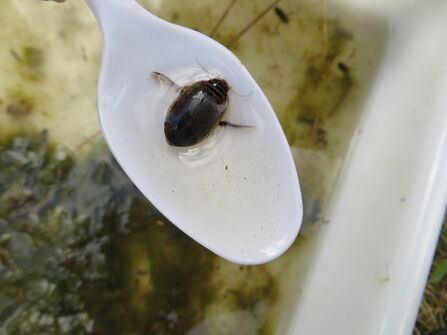
Our aquatic invertebrate surveys have been focussing on looking at the impacts of specific changes on invertebrate communities. For example, we have done surveys to compare before and after the beaver re-introduction at Rushden Lakes and will continue to monitor this to see what impact the beavers are having. The 2025 surveys found more rare species than previously, and the site seems to be improving, but it remains to be seen whether the beavers are responsible for this change. We are also looking into what has colonised first in the newly created ponds at Strawberry Hill – a good number of water beetle species arrived very quickly. The very dry summer did affect invertebrates, particularly where ponds had dried out before the end of the summer. We’ll continue to keep an eye on all of these sorts of changes going forward. 

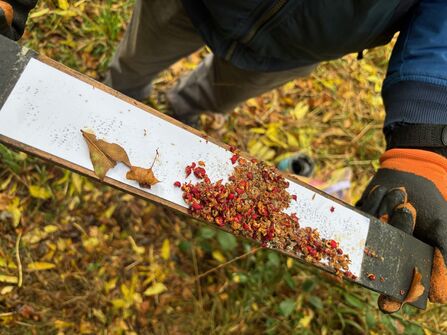
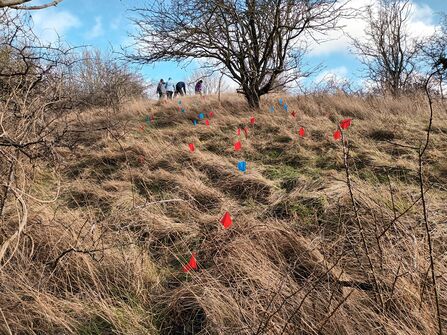
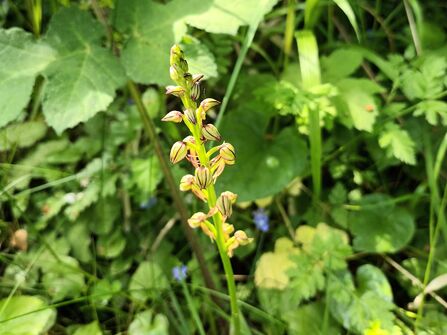
Down in south Bedfordshire a dedicated team of volunteers have been helping survey the rare orchids, which is now part of the wider Rare Species Guardians project. Man orchid numbers were down across most of the sites (total 408), except for one small area where lots of new plants have appeared. The percentage of plants flowering was also the lowest it’s ever been (21%), with areas that were winter grazed and those areas that were not all suffering. Of the plants that did flower around a third of them produced fertilised seed pods which equate to many thousands of seeds being spread so hopefully some of them found suitable conditions. Musk orchids didn’t fare much better with only 7 plants being found, only 3 of which flowered, and none got fertilised and only a single frog orchid was spotted this year with an aborted flower spike. We suspect the hot dry weather came in at just the wrong time for these species. 

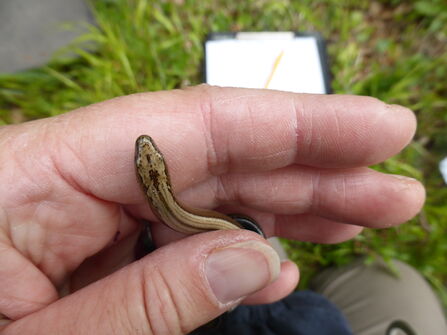
We’ve also had two small teams of reptile volunteers out helping look for reptiles. One group up at Strawberry Hill – where surprisingly we have yet to find any – and the other down at Totternhoe Knolls where we joined forces with the National Trust to survey the Knolls for slow worms. There haven’t been any surveys over here previously as we’ve been busy focusing on the quarry side, so we were very pleased to find a healthy population of slow worms spread all across the Knolls area.

Just to finish by saying again a massive thank you to everyone that has helped us this year and those who have just signed up & are planning to come out next year. We couldn’t do a fraction of this without your support and enthusiasm. We hope to see many of you out and about the place next year.

More information on Monitoring and Research Volunteering