Northamptonshire Reserves

Northamptonshire Reserves

Matt Johnson (Conservation Manager, Northants) gives an update on Northamptonshire reserves and wider countryside work

Pitsford Reservoir has been put back on the birding map!  With one of the best drawdowns in years, some rare and unusual waders have been popping in and delighting birdwatchers from all over the country.  If you would like to hear seasonal updates of what has been happening at Pitsford, sign up to receive the Pitsford ENews here…E-news | Wildlife Trust for Beds Cambs & Northants

At the Nene Wetlands this time of year is key for tree safety works. We’ve done extensive works over the previous 3 winters to tackle Ash trees with dieback and an aging Grey Willow population. The good news is, there are signs that the hard work is paying off. Our independent Tree Safety Report detailed 96 points for Nene Wetlands and Summer Leys in 2024. This year, we have 34. Whilst we have a reduced list of tree safety works this winter, there’s still a decent chunk of work to do. We’ve made a start on this; the trees near water or of higher concern have been dealt with already, but there are still plenty of trees out there with pink dots on! We’ll proceed with these in the coming months. 

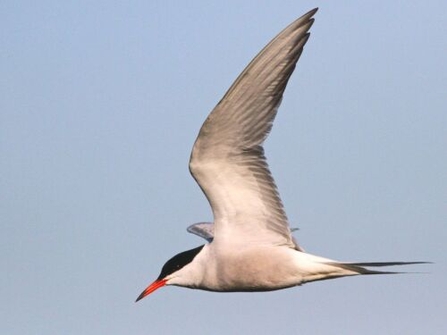
Elsewhere, James Barratt (Nene Wetlands Ranger), the work party, the Volunteer Officers and the Field Team have been restoring the grassland at Wader Flats at a fantastic rate. The dry weather has meant James and the gang have made really good progress. The hope is we can have this area clear and open by the end of the year. This will benefit our winter birds (I’ve watched groups of Wigeon turn round when they get too close to the trees), and also our summer breeders like Common Tern, Oystercatcher, and maybe in time, Lapwing and Redshank. 

The Nene Wetlands is already a pretty incredible place – but it’s full of potential and we’re working some exciting new projects and (we’ll share more details when we can). But for now – the Reserves Team recently spent a day with local legend Steve Brayshaw (Ecologist, designer of Summer Leys, and font of all knowledge when it comes to the Nene). We discussed how to improve the reserve further for our key bird species. Big things are coming…
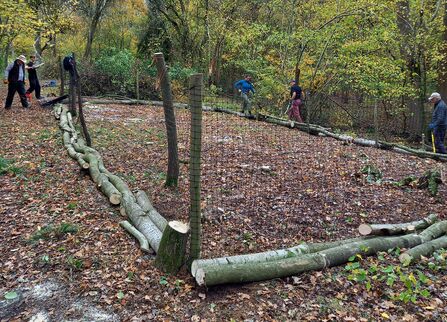
At High Wood the last month or two have seen us busy working on the coppicing and this year’s coup is almost complete – although there is always more that could be done!  The staff and volunteers have also created an enclosure as part of the forestry commissions woodland management plan – this is to try and show the current levels of deer browsing with in the wood.

Elsewhere in Northants we've hosted a couple of corporate tasks, one at Abington Meadows clearing willow and another at Short Wood coppicing an area of hazel.  We are getting on with seasonal work and have removed some dead trees at Lings and felled some diseased ash next to the rides at Glapthorn Cow Pastures. At Glapthorn we were aided by our two Voluntary Officers who recently passed their chainsaw course and were glad of some practice breaking up the felled ashes. There is more coppicing, scallop creation and Rhododendron clearing between now and Christmas. 

It's been an unusual few months for our livestock, which have enjoyed the last of the much-needed late autumn grass. With TB tests all complete and passed, our cattle have all been moved to their winter grazing at Old Sulehay and Collywestern where they will spend the winter clearing this year's growth from the limestone grasslands to allow for next years flora to flourish. 

Our small but growing herd of European Mouflon (see header photo) have been parading around stonepit in their majestic winter colours doing a great job of grazing the steeper inaccessible slopes and tackling the browsing the site needs. 

Wider Countryside

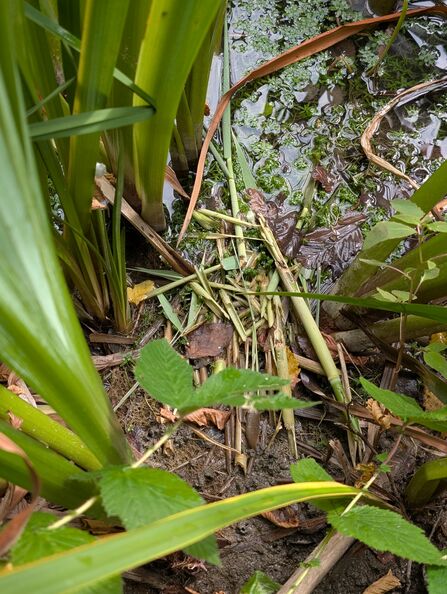
The Water Voles reintroduced at Nene wetlands are doing well, a follow up survey in September showed feeding signs, latrines and burrows all along the area where they were released. We have also undertaken some surveys of water vole on other sites within the county with the best results on the Grand Union Canal around Crick, where there were signs of water vole amongst the excellent wetland vegetation present on parts of the canal there. We will be expanding surveys in the wider county in 2026 at historic water vole sites to ascertain the full status of them in the county. We are also continuing to liaise with other landowners who are interested in surveys, mink control and future reintroductions.

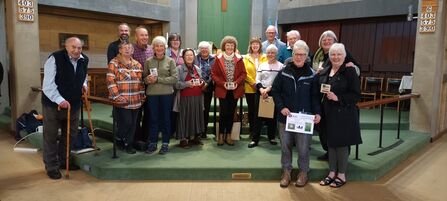
Our annual Churchyard Conservation Forum was held at Northampton, and was a huge success. The photo shows St Benedict’s, themselves bronze award winners and the rest of the 2025 winners accepting their awards.

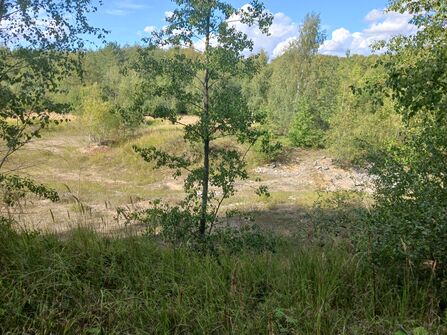
Patsy is almost one year into her project to map Open Mosaic Habitats (OMH) on previously developed land across Northamptonshire. These unique habitats, found on former industrial sites like quarries and airfields, are vital for rare and specialist species but are often overlooked and vulnerable to development. The initial mapping and ground-truthing stages are complete, resulting in a targeted list of sites of high conservation interest. The next crucial step is to share this evidence with the county council and planning departments. Our goal is to ensure this irreplaceable habitat is recognised and factored into future conservation and land-use decisions, helping to safeguard our wildlife.

Alongside the OMH work, Patsy has been busy writing up Local Wildlife Survey reports for landowners and providing practical recommendations for wildlife-friendly land management. Her grassland volunteers have been out exploring again this season. These self-led surveys are incredibly valuable, as they allow our small team to quickly assess whether a site is of potential interest for our Local Wildlife Site scheme. Their efforts have been very productive covering 26 sites. 

Our Nene Valley SPA Engagement work goes from strength to strength. Through the past few months, Lara has been out and about delivering numerous guided walks and activities for a broad range of groups: from Beaver talks, to a pack walk with 15 Dachshunds in attendance promoting responsible dog ownership, to facilitating citizen science in collaboration with Nene Rivers Trust. 

Promoting the Special Protection Area has been very exciting through this time as we begin to see the arrival our favourite overwintering bird visitors; sharing their stories and being grateful for the protection that their habitats have has allowed us to connect more people with the incredible sites we are lucky to have in the Nene Valley. 

We’re continuing, alongside the Northants Biological Records Centre and other partners, to input into the West Northants Local Nature Recovery Strategy. The draft strategy will be out for public consultation in the early new year.