Bedfordshire Reserves

Bedfordshire Reserves

Aidan Matthews (Senior Reserves Manager, Beds) gives an update on Bedfordshire reserves

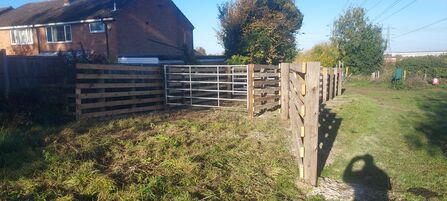
The shift from summer to autumn was a slow one this year with the grass sites only really putting on a late flush of growth after a few scattered rain showers. We had work completed at Flitwick Moor by the Internal Drainage Board, with them modifying the Greenfield Road entrance, before clearing out the vegetation from both the River Flit and the mill leat channels. The entrance areas works will certainly benefit us going forwards, as we asked them to install a hard-core surface to the cattle corral and area where we reverse the trailer to move the grazing animals. In wet autumns this can become very sticky ground and is easily churned up by the cattle themselves, which poses an issue for the animals and the personnel servicing them. The River and mill leat clearance has been on the cards for a couple of seasons but the really wet weather in September in 2024 meant that it could not proceed them.

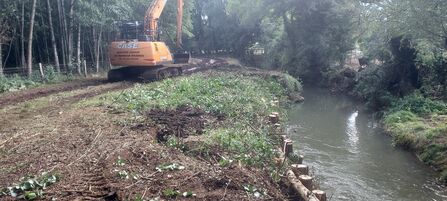
IDB operatives also cleared an amount of vegetation from near the Joes close entrance and used this material to infill and secure a section of the riverbank that has been scouring out for several seasons. The larger stems were driven into the riverbed and the brash and branches deposited behind the barrier to create a buffer of material to stop the force of the river eroding the bank and threatening the nearby footpath. The deposited vegetation was then topped with soil and further protected by a post & rail fence to allow it to recover and to protect site users
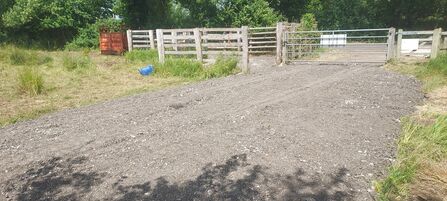
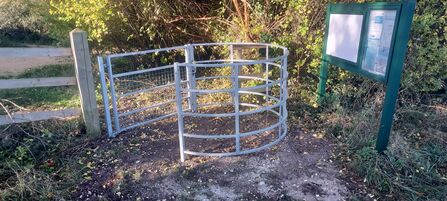
Following on from the site works at Blow’s downs last year by National Grid contractors refitting cables and insulators on the 400kV pylon line, we were in receipt of some funds to allow us to replace and upgrade the site infrastructure. This included livestock fencing in certain areas of the site and additionally the installation of a cattle corral and race to better service the animal welfare needs. Nearly 2km of fencing was removed and replaced and alongside this we have been able to replace a number of the old and failing wooden gates used for visitor access. These are now replaced with metal hoop type kissing gates to increase longevity and better facilitate access for a wider range of the site users. 

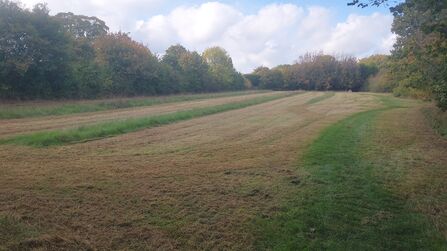
The volunteer team has been hard at work across the county, visiting a wide range of sites and performing regular site works and a few special tasks. Scrub and grassland management work has taken place at Totternhoe Quarry, Flitwick Moor, Galley Hill, Strawberry Hill, Felmersham Gravel Pits and Sharnbrook Summit. The small site at Wymington meadow had its annual hay cut completed in August, leaving stripes for overwintering shelter and this was also replicated at Sallowsprings by staff with the tractor and flail collector. Pegsdon Hills has had a number of tasks to tackle the encroaching young scrub on some of the ex-arable fields, with other work taking place within the SSSI area on the steep valley sides. Coopers Hill had a couple of tasks to remove encroaching gorse, broom and silver birch growth from the heathland and additionally works done to open up the footpath network which was getting very grown in in places.

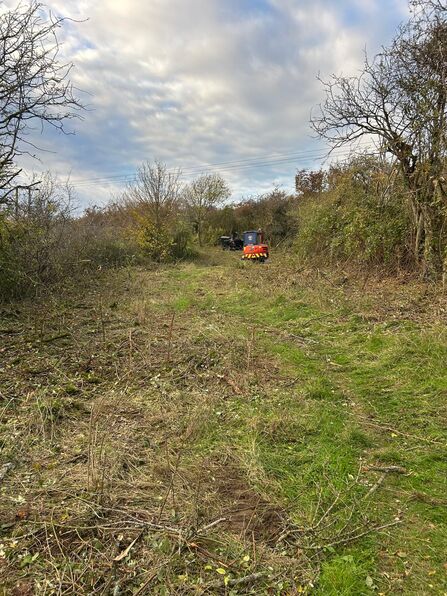
In recent weeks we have been working at Cottage Bottom Field to widen the path network and better facilitate future visitors, by delivering site works using SANG funding administered by Central Beds Council. The Suitable Alternative Natural Greenspace (SANG) funding will allow us to replace more ageing visitor access infrastructure, including kissing gates and the outdated site information boards. The pathways around the site have been widened out by contractors using tree shears and woodchippers, as we cannot dispose of the cut material easily here by burning due to the overhead pylon lines. Going forwards we will be able to maintain the site paths using hand tools and machinery acquired thanks to this development linked SANG funding and support from the National Grid restoration fund.

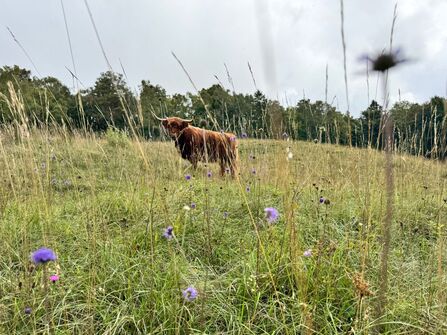
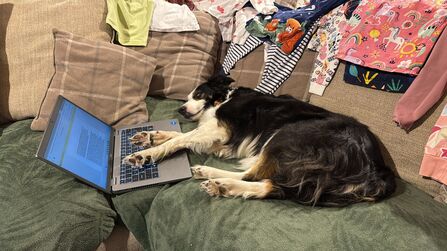
Grazing animals are currently spread across a number of sites with sheep at Totternhoe Knolls grazing for the National Trust, Knocking Hoe (a Natural England site), Hexton Chalk Pit (a Herts & Middlesex WT site) and some also at Upwood Meadows NNR in Cambs after a spell at Woodwalton Marsh, being checked on by our West Cambs colleagues. The animals are likely to be pulled back together for the Xmas period with Pegsdon SSSI area in need of a comprehensive graze. The cows are also working hard with a small group presently at Ravensburgh bank, a privately owned site near Barton Hills. The combined effect of these grazing animals is hard to define, until you try to replicate it through cutting and raking or use of a tractor to harvest the material. Pretty soon there is a large haystack created which the animals would have steadily eaten over several weeks, and this effect of clearance is done in a short pace of time, potentially removing plants before they have set seed or still in use by feeding insects. Keeping up with the grazing animal movements is vital and we appreciate the assistance of Hope the sheepdog in keeping this up to date.