Northamptonshire Reserves

Northamptonshire Reserves

An update on what's been happening on Northamptonshire reserves by Matt Johnson, Conservation Manager (Northants)

Reserves

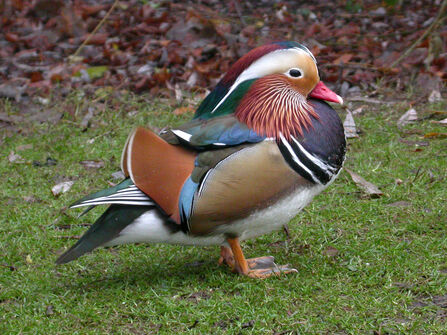
The wildlife at Pitsford is in a state of flux while trying to adapt to the erratic climate conditions.  We have been getting several new moth species recently, as well as one confirmed, and 2 potential new breeding bird species!  A mandarin duck was recorded nesting in one of our owl boxes next to a newly created pond. Barn owls have been regularly seen on the reserve now and could potentially have bred on site.  Little Egrets have been seen all through the summer and a pair of Great Egrets were seen in breeding plumage, but successful breeding of either species has not been confirmed.  If you would like to receive our seasonal updates of what is happening at Pitsford Water Nature Reserve, sign up to receive the Pitsford Enews E-news | Wildlife Trust for Beds Cambs & Northants

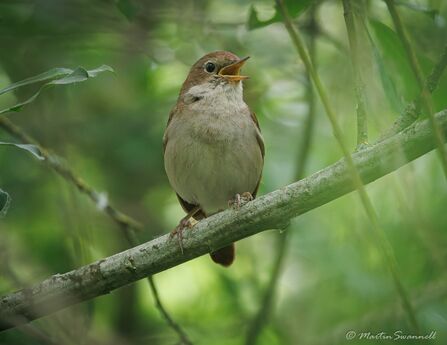
This year has seen the return of Nightingales to previous haunts but also the colonisation of new sites. Glapthorn Cow Pastures has long been a known place to see and hear Nightingales. In recent years the rides have noticeably been missing the harmonies and complex melodies of their rich song. However, this spring at least two singing males were heard on site again. Singing males have also been heard at Titchmarsh, Old Sulehay forest and Storton's Pits, where they were also confirmed as having successfully fledged young for the first time. Targeted scrub work in future years will aim to improve the habitat for this red listed species"

Over at the Nene Wetlands we welcome India Kerr as our new Nene Valley Reserves Officer. India will be starting on the 13th July and primarily overseeing the management of Summer Leys and Titchmarsh. In addition our new Volunteer Officers (VOs) have started their 9-12 month placement with the reserves team, this year we have 3 for the first time ever – the team continues to grow! Welcome Esmee, Conor and Ripley.

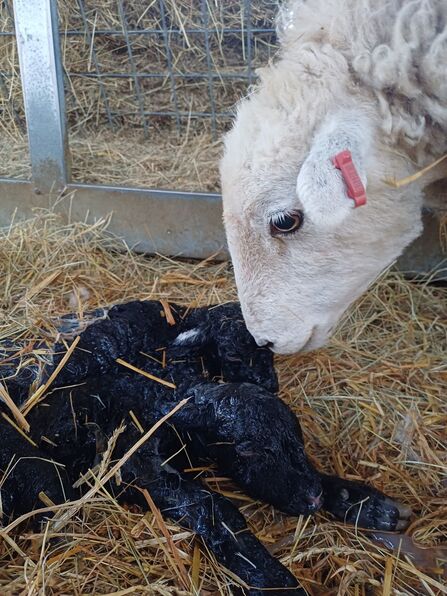
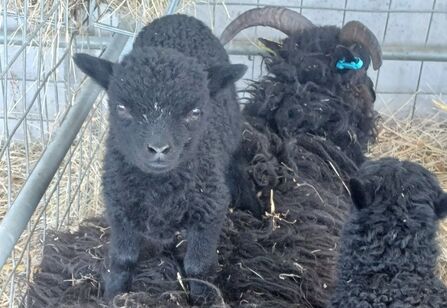
At Lilbourne we had another successful lambing season with 102 sheep lambed producing 152 lambs! This led to several training days for VO’s and the communities team as well as a lambing event for the public. Next job up was shearing which is now complete. Our rapid grassland assessments were focussed on the west of the County this year with Bugbrooke, Boddington and Woodford all looking great this summer!

The rest of the livestock team have been just as busy. Calving has gone extremely well, with 7 calves born this year. This has allowed a bigger number of cows at Summer leys (6 in total this year), making a great job of tackling marginal and tougher vegetation, which is useful as we are trialling the later graze to allow chicks time to properly fledge before stock go on. They have been joined by 29 mouflon cross lambs, which have now been turned out onto Summer Leys and continue to confuse the bird watchers!
Wider Countryside

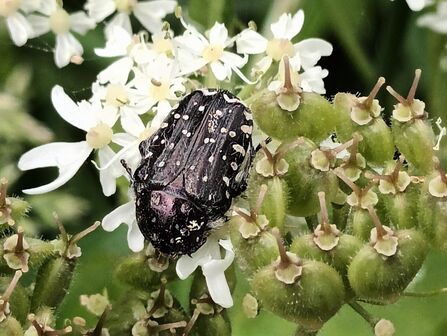
The team have been out and about over the summer surveying a range of sites including our network of protected wildflower verges. As well as a good array of wildflowers, the Mediterranean spotted chafer beetle (Oxythyrea funesta) was recorded on a wildflower verge in Loddington.  The first record for Lisa and there were two specimens nectaring on hogweed.

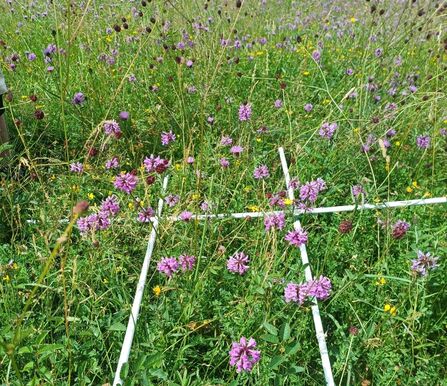
Patsy, Gavin and Matt have spent the summer out in the heat, criss-crossing the floodplains of the River Nene, Ise, and Tove for the Floodplain Meadows Project. They have been surveying a mixed bag of fields, from arable to pasture to the occasional pocket of decent floodplain grazing marsh or floodplain meadow. Along with our Floodplain Meadow Partnership colleagues they have covered over 1000ha. Standout meadows have been thin on the ground, highlighting the scale of opportunity for real improvement along the floodplain, which will feed directly into the 20-year strategy to be written from the projects data. 

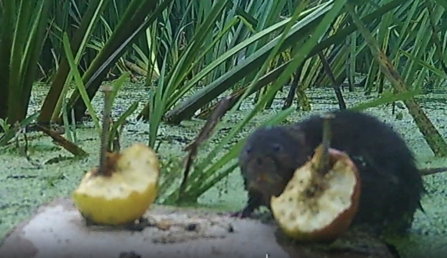
Our monitoring of the reintroduced water vole population at Nene Wetlands continued this spring following another winter of flooding on site. Encouragingly water voles and their field signs have been recorded throughout and beyond the original release areas. As well as floating rafts to monitoring water vole latrines, our volunteers Chris and Trevor have been trialling rafts with cameras attached which have captured voles coming to feed, mark their territory and swim by. Otters have also been filmed trying to climb onto these tiny rafts, without much success! Similar monitoring is underway at Stanwick Lakes where we also reintroduced a population of water voles and it appears they are doing well there too.

We’ve sent in a response to the North Northamptonshire Local Plan Review.  This looks at the policies the council should use when considering planning applications, including the future of current site allocations.  Over the last few months, we have also been asked to consider several solar farm applications.  We face both climate and ecological emergencies and so must balance the need for renewable energy whilst protecting and restoring wildlife.  If they are thoughtfully designed and managed, solar farms can minimise harm and actively contribute to wildlife conservation, but it does, of course, depend on the location and the details!

The West Northants Local Nature Recovery Strategy has completed its public consultation and is expected to be published in September. Meanwhile we continue to work with partners on a partnership bid to the lottery, with focus on woodland and wetland habitats across the Nene Valley and Rockingham Forest