
"A garden is not a place. It's a journey." (Monty Don)
Nene Wetlands Community Garden Update: September

Communities and Education Officer, Viktoria, gives us the latest updates from this summer at our Nene Wetlands Community Garden
We started our journey 4 years ago at the community garden. The journey continues every year, with new adventures, new challenges and so much fun, community spirit, friendships, and new beginnings.
Our journey proved a bit more difficult this summer as we experienced a very long and hot summer with soaring temperatures and drought.
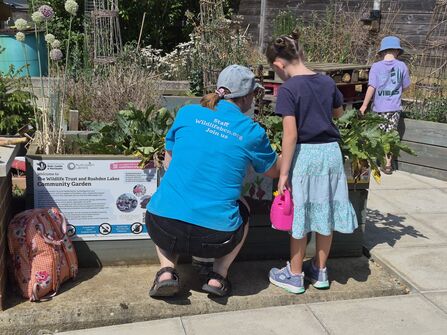
We thought that we had a challenging summer last year, but how wrong we all were! It was nothing compared to summer 2026, when our humble efforts with the watering can did not prove enough. There were some casualties, some serious replanting took place, and we struggled to keep our crops alive. Our water butts got empty quickly, and with no rain fall or running water, it was extremely difficult to tend to the plants. But we managed it, and after the long-awaited rain in September the garden bounced back and provided plenty of crops.
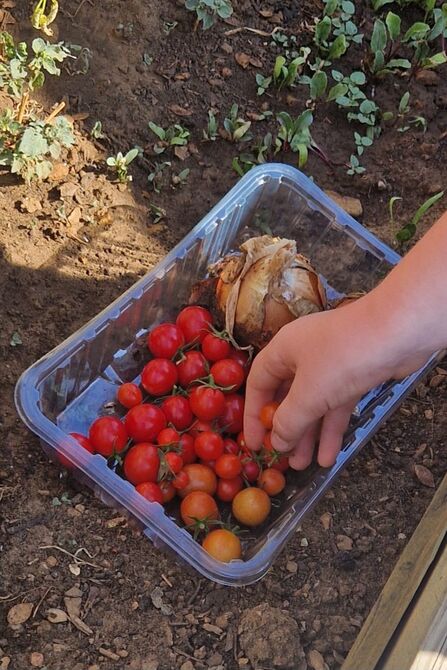
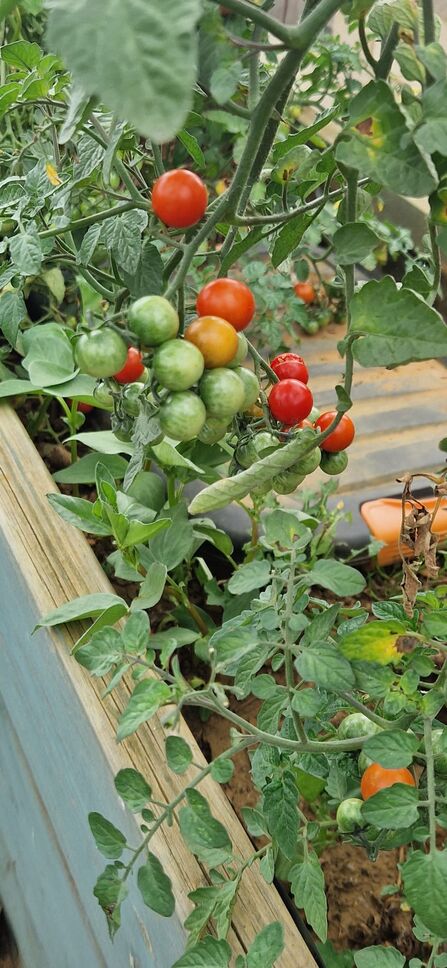
Some fruits and vegetables proved more resilient than others, this is a useful lesson to learn for upcoming years. Someone asked me about my experience about the most drought resistant plant we had and my honest answer was the tomatoes! After the recent rainfall we even had self-seeded plants growing in the cracks of the pavement-courtesy of the lovely birds visiting the garden.
The drought garden we planted a few years ago looked very sad and at some point, we thought some of the so-called drought resistant plants did not survive. We even planted some more succulents with the eco club in August, as the planter looked very empty. We had a very pleasant surprise when a few weeks later the new shoots started to appear after the rain. Note to ourselves- drought resistant doesn't always mean that the plant will tolerate extreme temperatures without looking distressed, but it also means that they can tolerate minimal water for a longer period of time. The children also discovered that some of the plants have very deep roots so they can reach moisture from deeper parts of the planter. A good example was the purple coneflower(Echinacea purpurea)-this was donated by one of the garden centres a few years ago and it is still thriving, with deep massed root system all around the planter and deep in the soil.
It was interesting to discuss how some of the succulents have silver, grey and hairy leaves, it reflects the sunlight and slows down evaporation.
It was nice to see that our efforts of attracting wildlife were successful. The bee boxes we made with the children were used by leafcutter bees. The pollinator planters were buzzing with bees, and we counted more butterfly species this year than ever. We had peacocks, red admirals, large whites, commas, orange tips, common blues, brimstones and first time this year we spotted brown argus and cinnabar moth too!
At the beginning of the summer our community groups have been busy with planting out seedlings, sowing seeds and checking up on our winter vegetables.
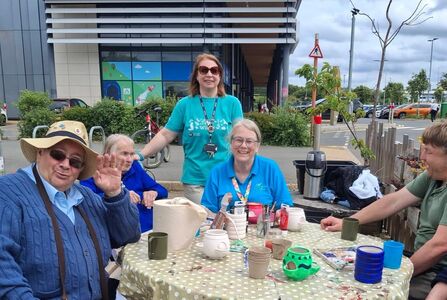
Cando Care clients had been planting the courgette and tomato seedlings they had caringly grown from seed in the spring. They were getting their creative juices flowing by decorating ceramic plant pots and planting sweet pea seeds to take home.
Later in the summer we were checking the wormeries and planting more summer vegetables with Growild Outreach, and we even had a couple of sessions at Pitsford Nature Reserve to help to build an accessible bird hide and learn more about wildlife. Find out more about the plans for the hide here.
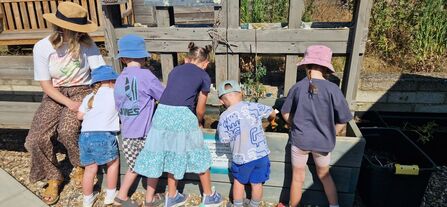
The Eco Gardening club had busy sessions, from planting and seed sowing to learning about composting, pollinators and drought resistant gardening.
We made sure there was time to spare for wildlife crafts, as they are ever so popular and educational. This summer we decorated wooden butterflies whilst learning about pollination, decorated bug shapes with dried flowers from the garden and learnt about insects.
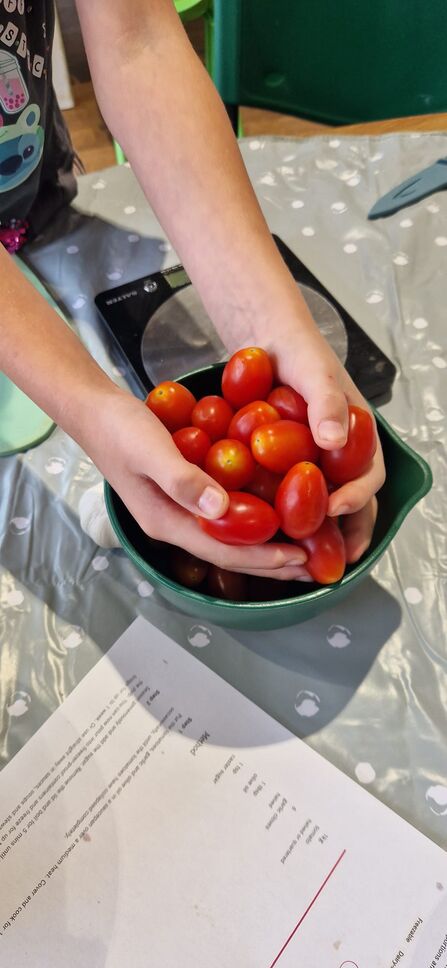
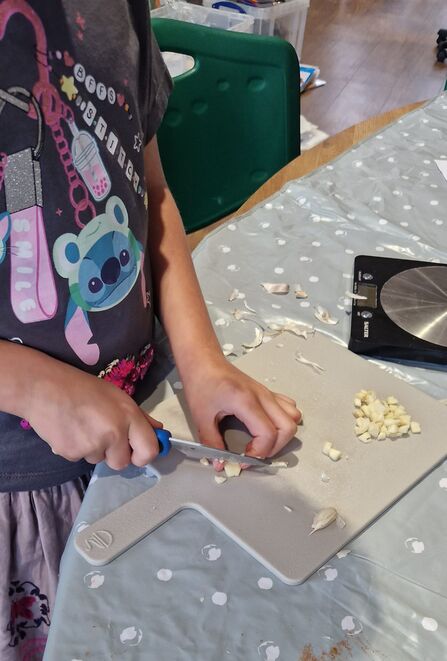
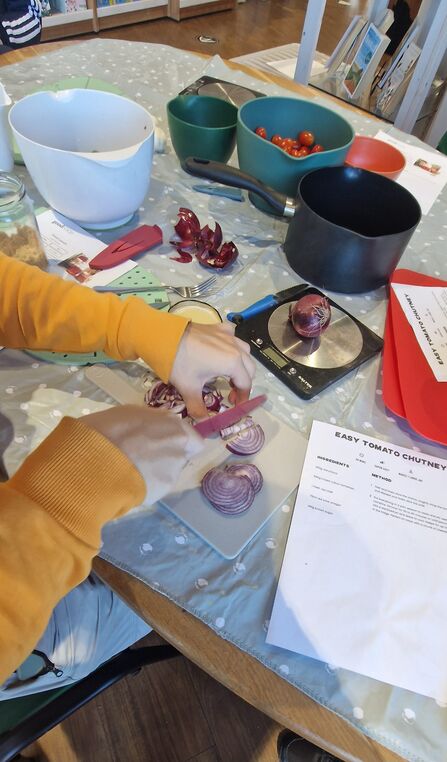
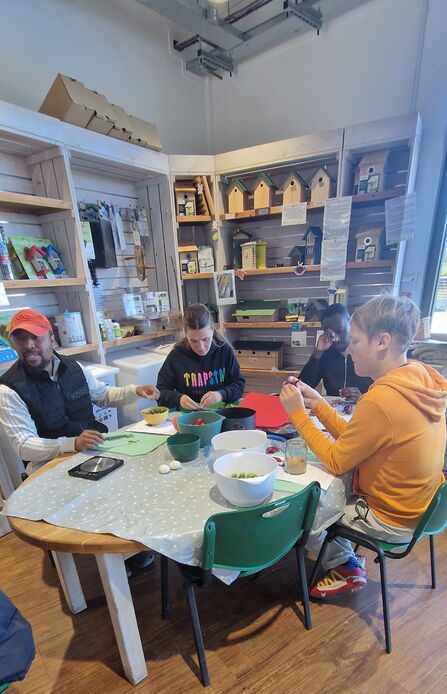
At the end of the summer we had cooking sessions with Cando Care, Growild Outreach and the Eco Gardening Club. There's nothing more exciting than harvesting your own vegetables and learn how to use them up. This is a brilliant way to start conversations about sustainability. Both the community groups and the families from the Eco-Club enjoyed the process of chopping up vegetables-there's nothing tastier than home grown tomatoes, especially when you grow them from seeds! Some very tasty passata and green chutney had been made in the last couple of weeks.
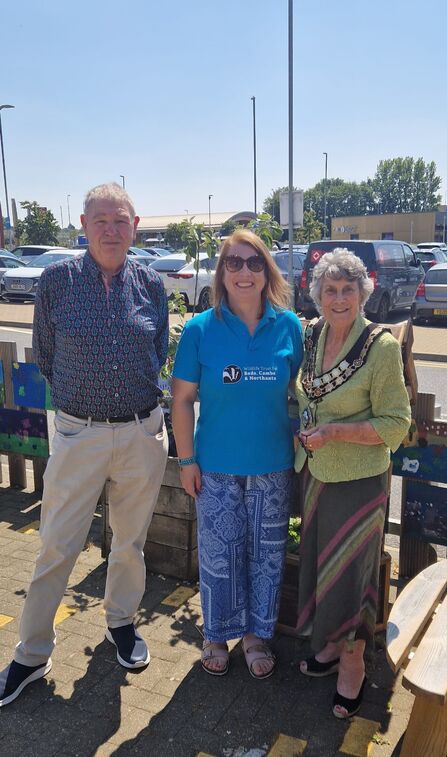
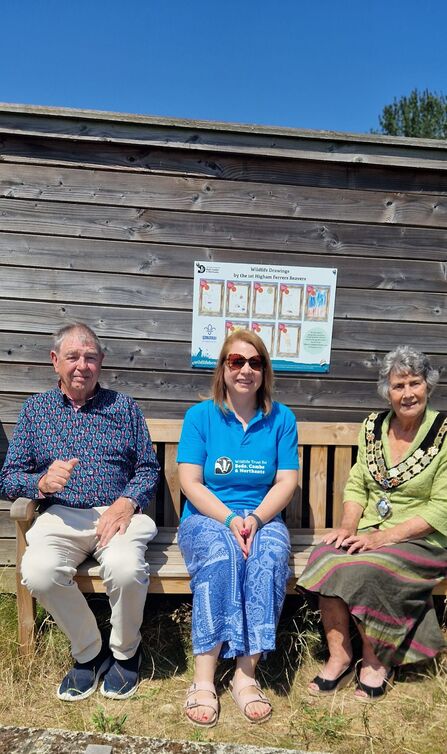
On a very hot day we had a visit from Janet Pinnock the Lady Mayor of Rushden and Swivel Club Chairman and the Mayor of Higham Ferrers Councillor Chris O`Rourke.
The occasion was for the giving of plaques to mark some garden furniture donations by the Swivel Club. It was great to welcome our guests and to give them a tour in the community garden. They learnt about the various activities we are providing for local people and community groups.
Many thanks again for the generous donation, both the bench and the picnic table are being used regularly and serving the community.
As our Visitor Centre is closing for refurbishment, we are planning some drop-in sessions at the community garden at October half-term. So come along and join the fun, and decorate pinecone animals, creepy crawlies, or design your own spooky ceramic tealight holder. Find out more about Half Term Events here.
The Family Eco Gardening Club will be on too, and as it's on Saturday 31st October, we are going to have some Halloween crafts as well as planting some winter vegetables. Find out more here.
Viktoria Little
Viktoria Little
Viktoria Little
Viktoria Little
Viktoria Little
Viktoria Little

Viktoria Little
Viktoria Little
Viktoria Little
Viktoria Little
Viktoria Little
Viktoria Little
Events at the Nene Wetlands

October Half Term Drop in Crafts - Nene Wetlands
-
Please check individual session info for timings

Nene Wetlands Family Eco Gardening Club- 31st October
10:30am-12pm

Nene Wetlands Wildlife Wander (4th November)
10:30am-12:30pm

Nature Girls: Northants Craft Club (at Lago Lounge)
6:30-8:30pm

'Try Before You Buy' Optics Day in the Nene Wetlands
10am-3pm
Nene Wetlands Family Eco Gardening Club- 28th November
10:30am-12pm
Nene Wetlands Wildlife Wander (2nd December)
10:30am-12:30pm
Nene Wetlands Family Eco Gardening Club- 12th December
10:30am-12pm
Nene Wetlands Wildlife Wander (6th January)
10:30am-12:30pm
Nene Wetlands Wildlife Wander (3rd February)
10:30am-12:30pm
Nene Wetlands Wildlife Wander (3rd March)
10:30am-12:30pm
Nene Wetlands Wildlife Wander (7th April)
10:30am-12:30pm