Wildlife Trust bids farewell to thriving nature reserve after 60 years

Wildlife Trust bids farewell to thriving nature reserve after 60 years

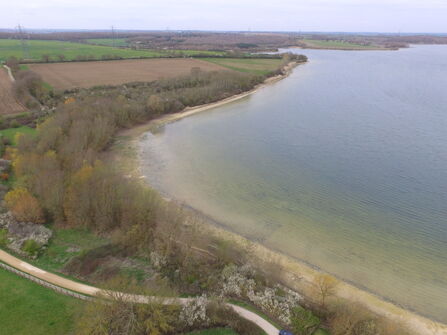
Grafham Water - Robert Enderby

The Wildlife Trust for Beds, Cambs & Northants has thanked staff, volunteers and visitors for their support as the charity leaves Grafham Water after more than 60 years.

The Beds and Hunts Naturalists’ Trust, which went on to become the current Wildlife Trust, first became involved in protecting the nature at the reservoir in 1965 when the original management committee was formed. The site was officially opened a year later and the nature reserve went on to be managed solely by the Wildlife Trust for more than four decades. 

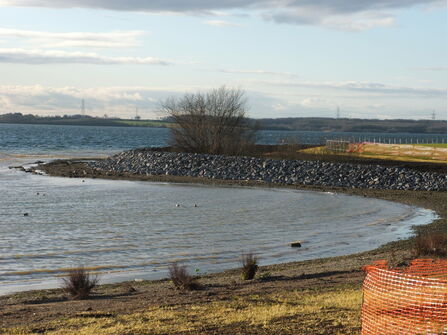
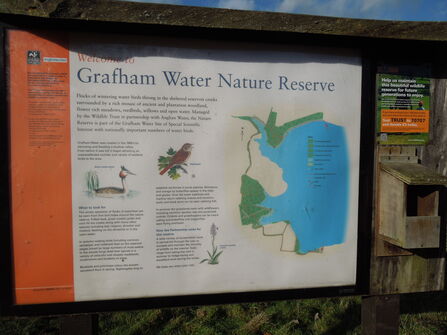
Anglian Water, the owner of the reservoir, recently announced it would be taking on management of the 80 hectare nature reserve at the start of April. 
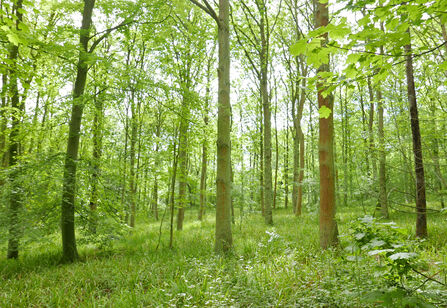
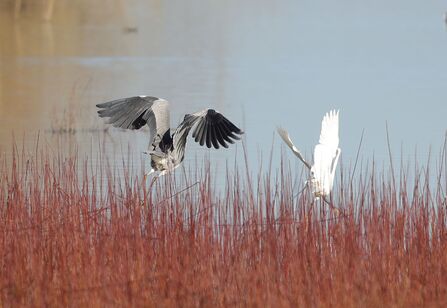
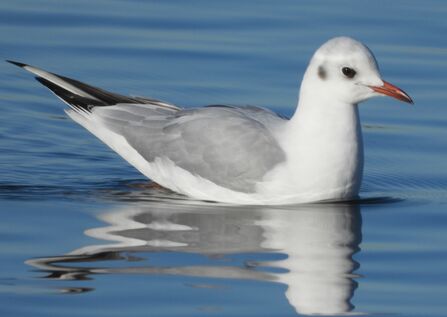
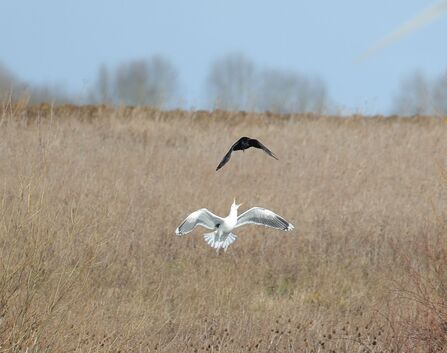
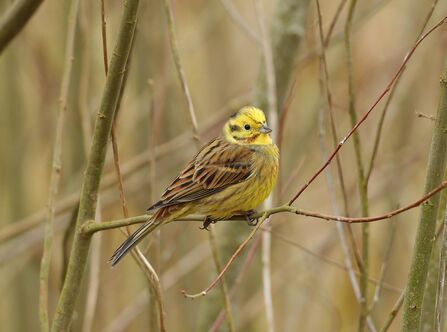
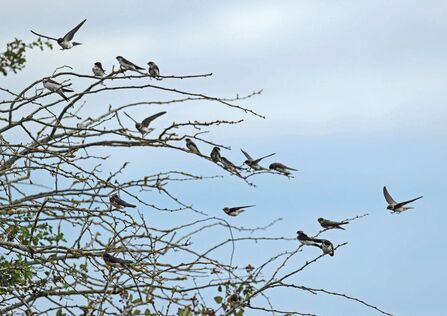
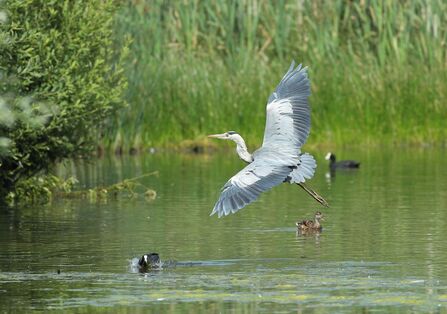
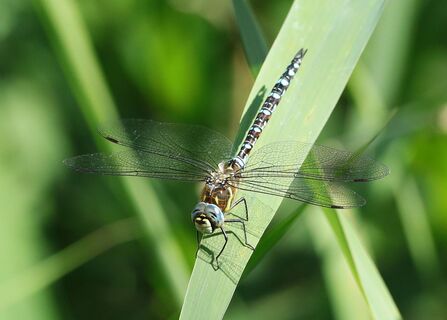
When the reservoir first opened in the 1960s wildlife soon arrived at the new wetland. More than 170 bird species have been recorded over the whole reservoir site. On the nature reserve section, many individual species have increased in abundance including the common spotted orchid which went from less than 20 plants in 2006 to nearly 10,000 last summer. The reservoir is nationally important for wintering birds and can house up to 30,000 gulls each winter. It is also home to ten species of bat and 16 species of dragonfly and damselfly. 

Brian Eversham, Wildlife Trust BCN CEO, said: “We are very sad to be leaving Grafham Water but I would like to take this moment to show our huge appreciation to everyone who has helped to achieve so much there for nature. 

“From the staff members who worked tirelessly to improve the site for nature, to the hundreds of volunteers who turned up to our work parties to help transform former farmland into meadows and new woodlands, a home for many threatened species and help improve the management and monitoring of the ancient woodlands on the nature reserve.  

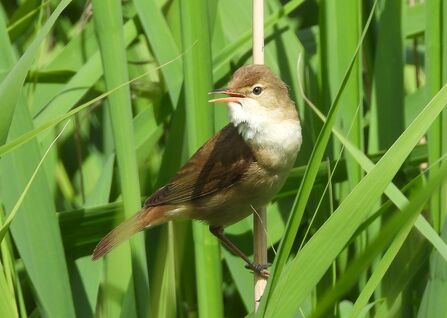
“As well as providing space for wildlife, this has also meant we have been able to help with cutting edge conservation science like the nightingale tracking project with the British Trust for Ornithology which shed new light on the amazing migration journeys of these struggling songbirds. 

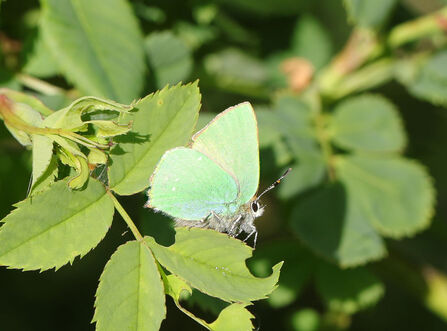
“But while birds have often been the stars of the show at Grafham over the years, in fact it is the diversity of habitats and species on the site that makes it so special, from the bluebells in the woodland to the great crested newts in the ponds and the abundance of common blue butterflies in the grassland areas. We hope this will continue for many years to come.”